Networking hubs are central components of local area networks (LANs). To understand the role of networking hubs, a basic understanding of LANs is required. Whenever one or more computers are networked together, a LAN is created. A LAN can be vital at work, but it can also be useful at home. The purpose of joining computers together in a LAN is to share resources like files, a printer, a scanner, or Internet access.
There are four components in a basic wired hub network:
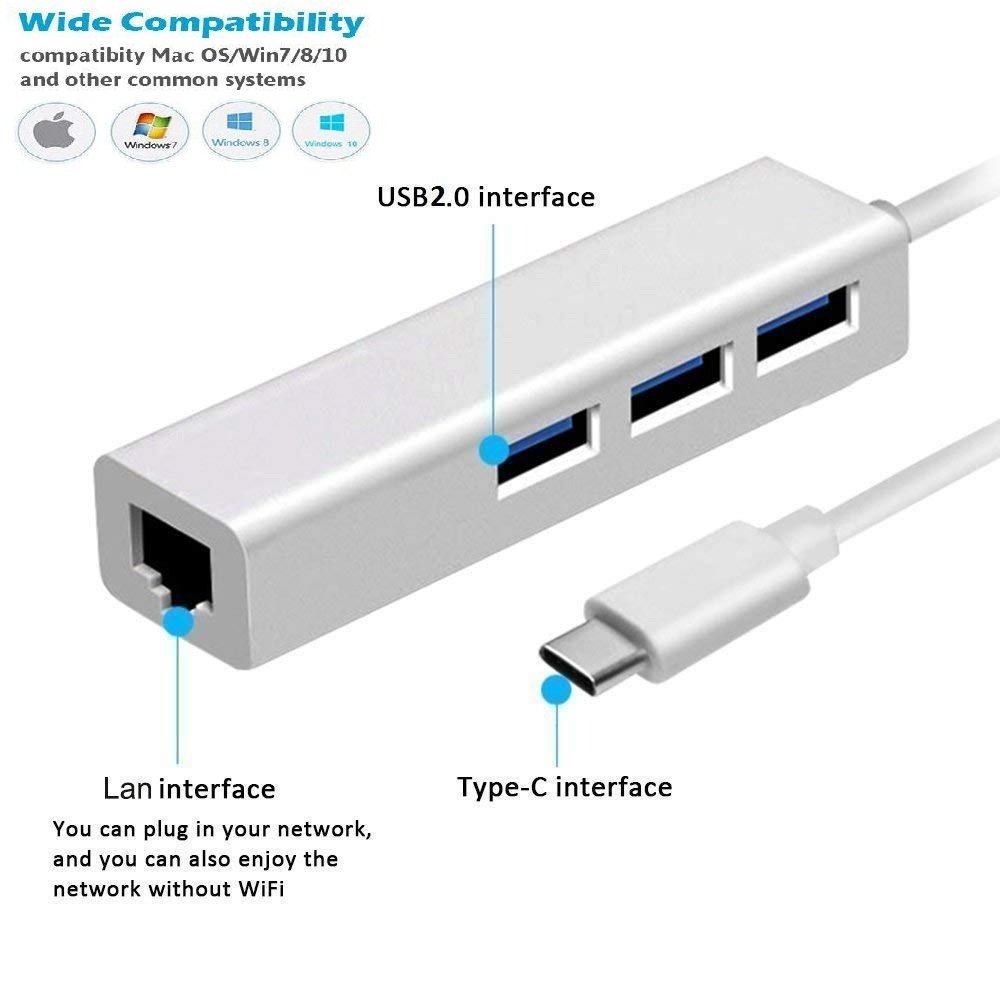
See full list on diffen.com. An ethernet HUB does not care about MAC addresses. This is in contrast to an ethernet SWITCH. So the HUB just copies the packet whenever it receives one, and sends a copy on all other interfaces. Obviously, this can result in congestion, in which. A media access control address (MAC address) is a unique identifier assigned to a network interface controller (NIC) for use as a network address in communications within a network segment. This use is common in most IEEE 802 networking technologies, including Ethernet, Wi-Fi, and Bluetooth.Within the Open Systems Interconnection (OSI) network model, MAC addresses are used in the medium access. Jul 26, 2019 How to Network a PC With a Mac to Share Files and Printers. This common question comes up all the time, I have seen lot of people searching for internet 'How to network a Windows PC to MAC to share files'. Connecting your Mac to an Ethernet network is the next fastest thing to going wireless. This video shows how to connect ports to a router (or hub) so you can network your Mac. Setup for Ethernet on a Mac, get your IP address, and climb aboard DHCP.
Network Hub For Macbook
Ethernet wire: This is the physical cable that links the computers together, enabling them to talk to each other. The Ethernet cable, also called twisted pair, or 10-Base T, plugs into a network card located in each computer on the LAN.
Network Interface Cards (NICs) : One of these cards goes into a vacant slot inside each computer. The back of the card features a port for one end of an Ethernet cable. Newer computers normally have a networking card built-in.
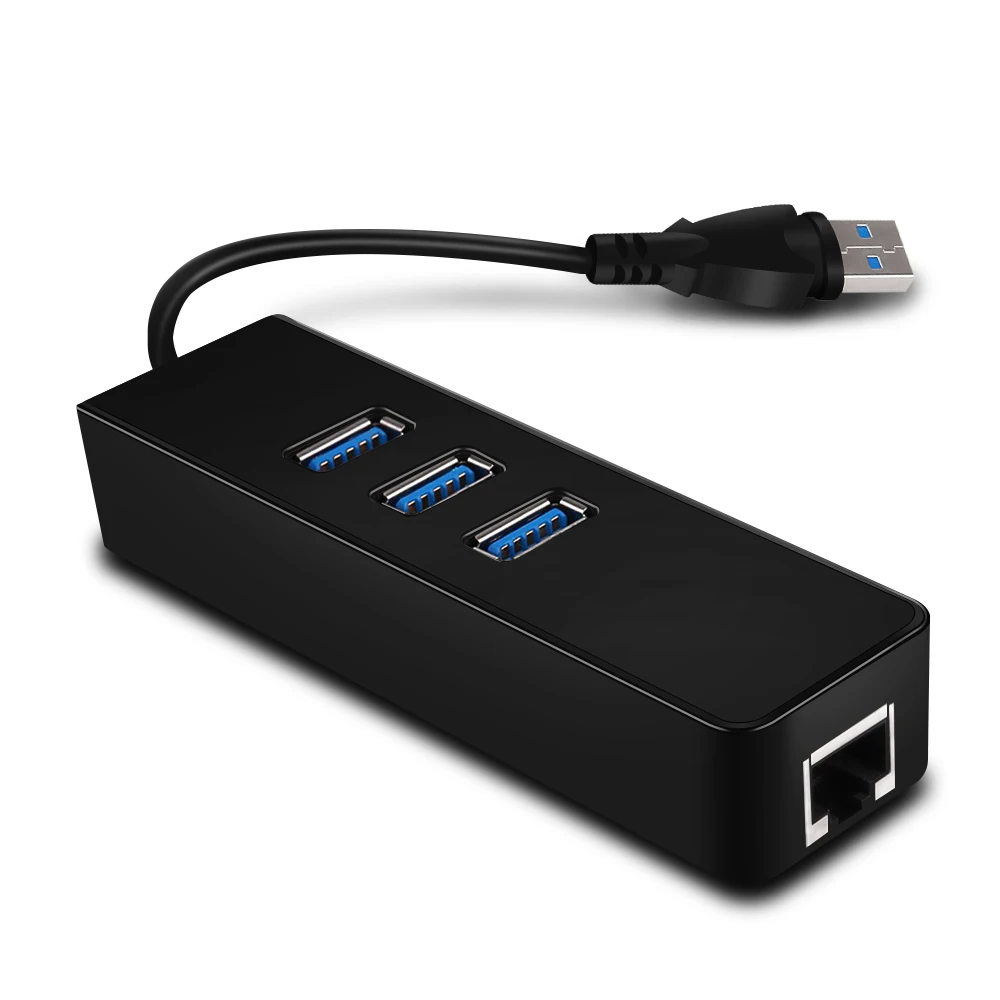
Networking Hubs: The networking hub is a junction box with several ports in the back for receiving the Ethernet cables that are plugged into each computer on the LAN. With Ethernet cables going from each NIC to the hub, all computers are connected to the hub.
Networking Software: Most operating systems today come with networking software built-in, but the software is also available from third parties. The software works with the hardware to create a networking environment on each computer, allowing the user to see shared files and recourses. It also allows for administration of the network.
With a group of computers wired to the hub and the software installed, the computers can talk to each other. Networking hubs will broadcast all traffic that comes through the hub to all machines or nodes connected to the LAN. Each computer/node on the LAN will have its own address, called a MAC (Medium Access Control) address. Each node will ignore any traffic not addressed to its MAC address.
Networking hubs are simple devices that are fine for home use in most cases, but not considered optimal for workplace environments. Networking hubs can only operate in half-duplex mode -- a computer cannot receive and send transmissions at the same time. Another drawback is that networking hubs broadcast traffic indiscriminately to all machines on the LAN. This opens the door to security issues, making it easy to use so-called 'packet sniffers,' for instance, to snoop on all network traffic.
An alternate to networking hubs is to use networking switches. Switches fill the same function as hubs but operate at faster speeds due to full duplex functionality. This allows computers on the LAN to send transmissions as they are receiving them. Furthermore, switches do not broadcast all traffic to all machines, but send information to a specific MAC address. This not only makes for a somewhat more secure network, but also cuts down on bandwidth waste.
Network Hub For Mac Download

Yet another option, for those with cable modem or DSL service, is a broadband router with built-in switch capability. This eliminates the need for a hub or switch, as the router joins the LAN through the Internet. These routers also feature firewalls and filtering capability to increase security.
Networking hubs have all but been phased out with switches becoming more reasonably priced. A 5-port switch can sell for as little as US$30 or less. Generally speaking, the more ports to be connected, the more expensive the device will be.
1. Repeater – A repeater operates at the physical layer. Its job is to regenerate the signal over the same network before the signal becomes too weak or corrupted so as to extend the length to which the signal can be transmitted over the same network. An important point to be noted about repeaters is that they do not amplify the signal. When the signal becomes weak, they copy the signal bit by bit and regenerate it at the original strength. It is a 2 port device.
2. Hub – A hub is basically a multiport repeater. A hub connects multiple wires coming from different branches, for example, the connector in star topology which connects different stations. Hubs cannot filter data, so data packets are sent to all connected devices. In other words, collision domain of all hosts connected through Hub remains one. Also, they do not have intelligence to find out best path for data packets which leads to inefficiencies and wastage.
Types of Hub
- Active Hub:- These are the hubs which have their own power supply and can clean, boost and relay the signal along with the network. It serves both as a repeater as well as wiring centre. These are used to extend the maximum distance between nodes.
- Passive Hub :- These are the hubs which collect wiring from nodes and power supply from active hub. These hubs relay signals onto the network without cleaning and boosting them and can’t be used to extend the distance between nodes.
- Intelligent Hub :- It work like active hubs and include remote management capabilities. They also provide flexible data rates to network devices. It also enables an administrator to monitor the traffic passing through the hub and to configure each port in the hub.
3. Bridge – A bridge operates at data link layer. A bridge is a repeater, with add on the functionality of filtering content by reading the MAC addresses of source and destination. It is also used for interconnecting two LANs working on the same protocol. It has a single input and single output port, thus making it a 2 port device.
Types of Bridges
- Transparent Bridges:- These are the bridge in which the stations are completely unaware of the
bridge’s existence i.e. whether or not a bridge is added or deleted from the network, reconfiguration of
the stations is unnecessary. These bridges make use of two processes i.e. bridge forwarding and bridge learning. - Source Routing Bridges:- In these bridges, routing operation is performed by source station and the frame specifies which route to follow. The hot can discover frame by sending a special frame called discovery frame, which spreads through the entire network using all possible paths to destination.
4. Switch – A switch is a multiport bridge with a buffer and a design that can boost its efficiency(a large number of ports imply less traffic) and performance. A switch is a data link layer device. The switch can perform error checking before forwarding data, that makes it very efficient as it does not forward packets that have errors and forward good packets selectively to correct port only. In other words, switch divides collision domain of hosts, but broadcast domain remains same.
5. Routers – A router is a device like a switch that routes data packets based on their IP addresses. Router is mainly a Network Layer device. Routers normally connect LANs and WANs together and have a dynamically updating routing table based on which they make decisions on routing the data packets. Router divide broadcast domains of hosts connected through it.
6. Gateway – A gateway, as the name suggests, is a passage to connect two networks together that may work upon different networking models. They basically work as the messenger agents that take data from one system, interpret it, and transfer it to another system. Gateways are also called protocol converters and can operate at any network layer. Gateways are generally more complex than switch or router.
7. Brouter – It is also known as bridging router is a device which combines features of both bridge and router. It can work either at data link layer or at network layer. Working as router, it is capable of routing packets across networks and working as bridge, it is capable of filtering local area network traffic.
References
https://en.wikipedia.org/wiki/Gateway_%28telecommunications%29
https://en.wikipedia.org/wiki/Router_%28computing%29
https://en.wikipedia.org/wiki/Network_switch
Please write comments if you find anything incorrect, or you want to share more information about the topic discussed above
Best Usb Hub For Mac
Attention reader! Don’t stop learning now. Get hold of all the important CS Theory concepts for SDE interviews with the CS Theory Course at a student-friendly price and become industry ready.
Comments are closed.